Inside Joint Disruption Week: 28 Arrests and 3.7 Million Scam Accounts Removed
Flashpoint joined international law enforcement and private-sector partners in a coordinated operation targeting West African scam networks, resulting in dozens of arrests, millions of fraudulent accounts removed, and over one hundred victims of human trafficking identified.
 Flashpoint


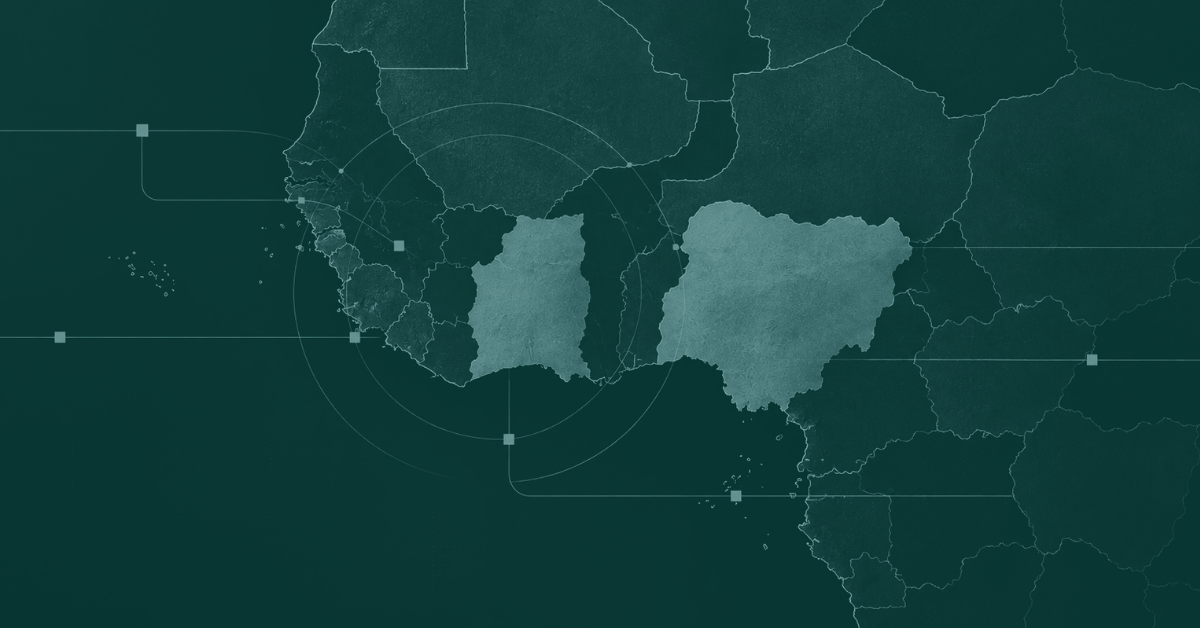
More than 3.7 million fraudulent online accounts removed. Twenty-eight arrests across Ghana and Nigeria. More than $11 million in potentially freezable funds identified. And 117 human trafficking victims identified.
These were among the results of Joint Disruption Week, an international operation targeting criminal networks responsible for online fraud, including cryptocurrency investment scams, impersonation schemes, and financial extortion.
“Transnational criminal scam networks operating from West Africa suffered major disruptions last week during a coordinated international ‘Joint Disruption Week,’ an effort that produced arrests, seizures, and the largest-ever takedown of fraudulent social media accounts linked to scam centers in the region.”
Department of Justice
Hosted by the UK’s National Crime Agency (NCA) in London during the week beginning October 6, 2026, Joint Disruption Week brought together investigators from the DOJ, FBI, U.S. Secret Service, Homeland Security Investigations, and international law enforcement agencies, alongside private-sector organizations including Flashpoint.
Throughout the week, participants exchanged real-time intelligence and developed investigative leads to support enforcement actions in Ghana and Nigeria, as well as the disruption of online accounts and infrastructure used by scam networks.
The operation targeted criminal organizations whose activities extend across borders and online platforms. According to the DOJ, scam centers operating in West Africa share characteristics with those previously identified in Southeast Asia, including organized recruitment, training in social engineering techniques, and coordinated fraud campaigns targeting victims internationally. Some operations also involve human trafficking, with individuals coerced into participating in fraudulent activities.
By bringing together law enforcement and private-sector capabilities, Joint Disruption Week targeted both the infrastructure used to perpetrate fraud and the individuals behind these schemes.
Joint Disruption Week: The Results
The coordinated effort produced results across criminal investigations, financial intelligence, and online infrastructure disruption.
According to the DOJ:
- 28 suspects were arrested, including 19 in Ghana and nine in Nigeria.
- More than 3.7 million fraudulent accounts, Pages, and Groups were removed from online platforms.
- 117 human trafficking victims were identified in Ghana, awaiting repatriation to Nigeria.
- 89 fraud victims were identified in Ghana, associated with approximately $8.3 million in reported financial losses.
- More than $11 million in potentially freezable funds were identified through private-sector investigative efforts.
- More than 30 suspected scam centers were referred to law enforcement for further investigation.
- 356 electronic devices were seized during enforcement actions in Ghana and Nigeria.
The figures illustrate the reach of these operations. Millions of accounts can support criminal activity across multiple platforms, while the individuals directing those activities may be operating thousands of miles from their intended victims.
Disrupting the Infrastructure Behind Online Fraud
The arrests and account removals represent different aspects of the same challenge: identifying the individuals behind criminal operations while disrupting the infrastructure they use to reach victims.
Online scam networks can operate across social media platforms, messaging services, and financial systems, with evidence of criminal activity spread across multiple organizations and jurisdictions. Investigations often depend on connecting information from these different sources to identify the actors involved and the infrastructure supporting their operations.
During Joint Disruption Week, private-sector partners contributed by removing fraudulent accounts, identifying potentially recoverable funds, and sharing investigative leads with law enforcement.
Flashpoint was among the organizations specifically recognized by the DOJ for participating in the operation, alongside Meta, Microsoft, Google, OpenAI, Coinbase, Binance, Chainalysis, Elliptic, TRM Labs, and others. For threat intelligence teams, operations like this highlight the value of identifying criminal actors, understanding how their operations are structured, and connecting activity across disparate sources to support investigative action.
Together, the arrests, account removals, and financial investigations demonstrate how coordinated efforts can target multiple components of criminal operations, from the infrastructure used to perpetrate fraud to the individuals responsible.
Continuing Efforts to Disrupt Scam Networks
Joint Disruption Week marked the first coordinated international operation focused specifically on West African scam networks, according to the DOJ.
The arrests, infrastructure disruptions, and investigative leads generated during the operation represent progress against criminal organizations responsible for large-scale financial fraud and human exploitation.
Flashpoint continues to support efforts to identify and disrupt criminal activity through primary source intelligence that helps investigators understand emerging threats and the networks behind them.
For additional information on the operation and its results, read the full Department of Justice announcement.
See Flashpoint in Action
Get real-time curated data, expert analysis, and AI-driven insights to monitor threats across the surface, deep, and dark web—including closed sources.